
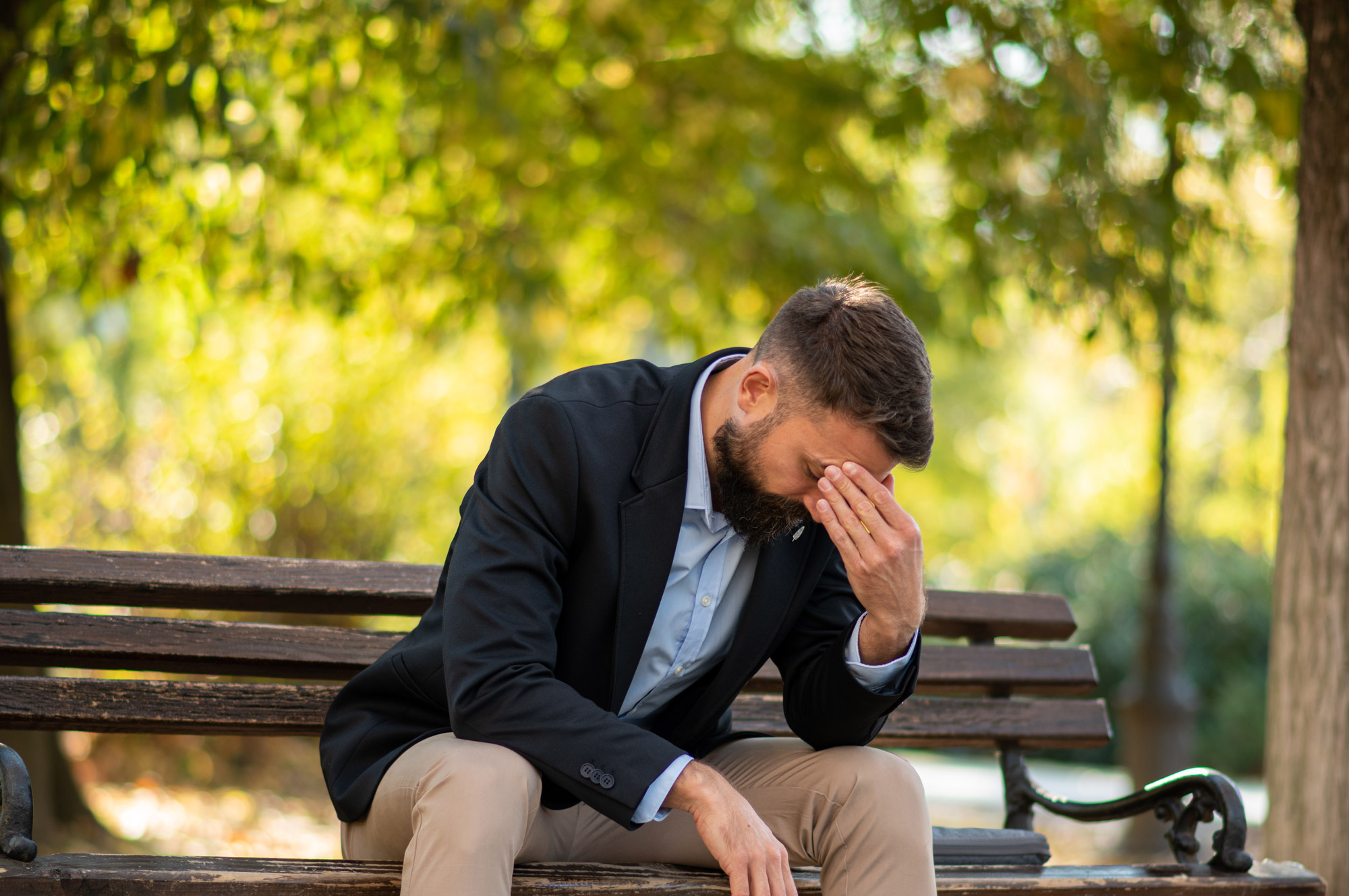
Does Anxiety Impact Your Life?
We live in a world that rarely pauses. Everyone seems to be rushing towards the next task, the next goal, the next version of themselves. Our days are filled with movement and noise, and even in stillness, our minds often continue at full speed. It’s no surprise that anxiety has become such a common part of modern life.
There’s nothing worse than feeling as though anxiety is running the show when you desperately want relief. It’s not something you can simply switch off, despite what people might suggest. In fact, anxiety often breeds more anxiety – one anxious thought leading to another, building momentum until it feels overwhelming. Its nature is subtle yet persistent, weaving into daily routines, affecting how we think, feel, and respond to the world around us. At its most intense, it can feel completely debilitating.
At the core of anxiety is the nervous system, this is our body’s built-in mechanism for detecting and responding to danger. This system is designed to protect us, activating the fight-or-flight response when a threat is perceived. The challenge is that in today’s world, many of these “threats” are not physical dangers but internal pressures, worries, and stressors. Over time, the nervous system can become stuck in this heightened state of alertness of perceived danger, even when no immediate danger is present.
When this happens, the body forgets how to return to a place of calm. Rest can feel unfamiliar, and relaxation may even feel uncomfortable. This is not a failure on your part, it’s simply a nervous system that has adapted to prolonged stress which can be exhausting!
Anxiety is something I work with extensively, and I truly believe it touches all of us in one way or another. It may show up differently for each person but, the causes are often surprisingly familiar. It is often linked to safety, control, and the need to feel secure in ourselves and our environment. Sometimes our minds are anxious but our bodies can be in shutdown. Sleep issues can arise such as not being able to go to sleep or waking up in the early hours and not being able to go back to sleep. This can impact our daily lives, leading to low tolerance levels and being tired at work. You may also be experiencing heart palpitations, headaches, tummy issues, lack of clarity – all of which can make decision making more difficult. This can sometimes lead us to isolate ourselves – this is an innate human reaction to hiding when we are feeling the effects of being wounded by anxiety.
Having experienced anxiety myself, I understand how consuming it can be. The nervous system is not fixed; it can learn, adapt, and find its way back to regulation. With the right support, awareness, and tools, it is entirely possible to move from a place of constant tension to one of greater balance and ease. The nervous system is also responsible for our excitement so it does have its place within our bodies, but not when it’s running the show and having a negative impact on life.
This process doesn’t happen overnight, and it doesn’t require perfection. It begins with small steps, like learning to listen to the sensations in the body, not pushing it away and giving it a voice to be heard; after all it’s trying to look after you. By creating moments of safety, and gradually teaching the nervous system that it no longer needs to stay on high alert all of the time, small shifts can lead to meaningful, lasting change. It can be an uncomfortable and frustrating process, but working towards a calm and regulated nervous system is worth it.
You are not alone in this, and more importantly, you are not stuck. Even if you feel like you are. Change is always possible.
If you would like to start your healing journey today you can contact me here.
